WITHIN · FIELD GUIDE · Revised November 5, 2026
Types of wool: merino, cashmere, tweed and Super 100s
One number sorts every wool on a label: how thick the fibre is. The thinner it is, the softer it feels and the faster it wears.
The fibres, by width
| Fibre | From | Width in microns | What it is good at |
|---|---|---|---|
| Ultrafine merino | Merino sheep | 11.5 to 15 | Next to skin base layers, fine suiting |
| Superfine merino | Merino sheep | 15 to 18.5 | Fine knits and suits |
| Fine merino | Merino sheep | 18.6 to 20.9 | Everyday sweaters |
| Medium and strong merino | Merino sheep | 21 to 24.5 | Hard wearing knits and coats |
| Cashmere | Cashmere goat undercoat | 19 or finer on average, by US law | Warmth for its weight, softness |
| Alpaca | Alpaca | About 18 to 25, for good fibre | Warm, smooth, little lanolin |
| Mohair | Angora goat | About 25 to 45 | Sheen, strength, a hairy halo |
| Lambswool | A sheep's first shearing | Varies by breed | Soft, elastic knits |
On an American label, cashmere has a legal meaning: the fine dehaired undercoat of the cashmere goat, averaging no more than 19 microns. No more than 3 percent of the fibre may be over 30 microns.
Super 100s and the numbers on suits
The S number comes from the International Wool Textile Organisation's code, and it is a maximum fibre width measured on the finished cloth. Higher is finer, softer and more delicate. A Super 180s suit feels soft and creases faster. For a suit you wear every week, I'd stay between 100s and 130s.
| Label | Fibre no wider than |
|---|---|
| Super 80s | 19.75 microns |
| Super 100s | 18.75 microns |
| Super 110s | 18.25 microns |
| Super 120s | 17.75 microns |
| Super 130s | 17.25 microns |
| Super 150s | 16.25 microns |
| Super 180s | 14.75 microns |
Cloths that are not a fibre
Tweed is a rough woollen cloth, woven plain, in twill or in herringbone. Harris Tweed is the one with a law behind it. The Harris Tweed Act 1993 says it is handwoven by islanders at their homes in the Outer Hebrides, from pure virgin wool dyed and spun there.
Boiled wool starts as a knit and is agitated in hot water until it shrinks into a dense felt that does not fray. Both are about how the cloth is made, so either can be any grade of wool.
Checks on a label
- Read the fibre content line, not the name. "Cashmere feel" is not cashmere.
- A Super number on a blend is allowed only with the word Super dropped, and at least 45 percent wool.
- A Harris Tweed label carries the Orb mark.
- For a sweater you will wash at home, merino forgives more than cashmere. The washing guide has the routine for both.
Wool on within
Merino, cashmere and tweed in stock at the boutiques today, with their prices.
- Men's sweaters
- Women's sweaters
- Men's suits and blazers
- Women's coats
- INTO THE EAST
- Song for the Mute
- C.P. Company
- WDLT117, Toronto
- Due West, Toronto
Common questions
Is merino wool better than cashmere?
What does Super 100s mean on a suit?
What is tweed?
What is boiled wool?
What is lambswool?
Sources
- Wikipedia, Merino (fibre classes in microns), read 5 November 2026.
- US Code, 15 U.S.C. § 68b (the cashmere definition), read 5 November 2026.
- Wikipedia, Super 100s (the IWTO Super S table), read 5 November 2026.
- Wikipedia, Mohair, read 5 November 2026.
- Wikipedia, Alpaca fiber, read 5 November 2026.
- Wikipedia, Lambswool, read 5 November 2026.
- Wikipedia, Harris tweed (the Harris Tweed Act 1993), read 5 November 2026.
- Wikipedia, Boiled wool, read 5 November 2026.
Wool in stock now, to check against this guide
Giovanni Cavagna, INTO THE EAST, Baracuta and more, from the boutiques on within.
 Giovanni CavagnaCross-Stitch Back Pocket Trousers Black
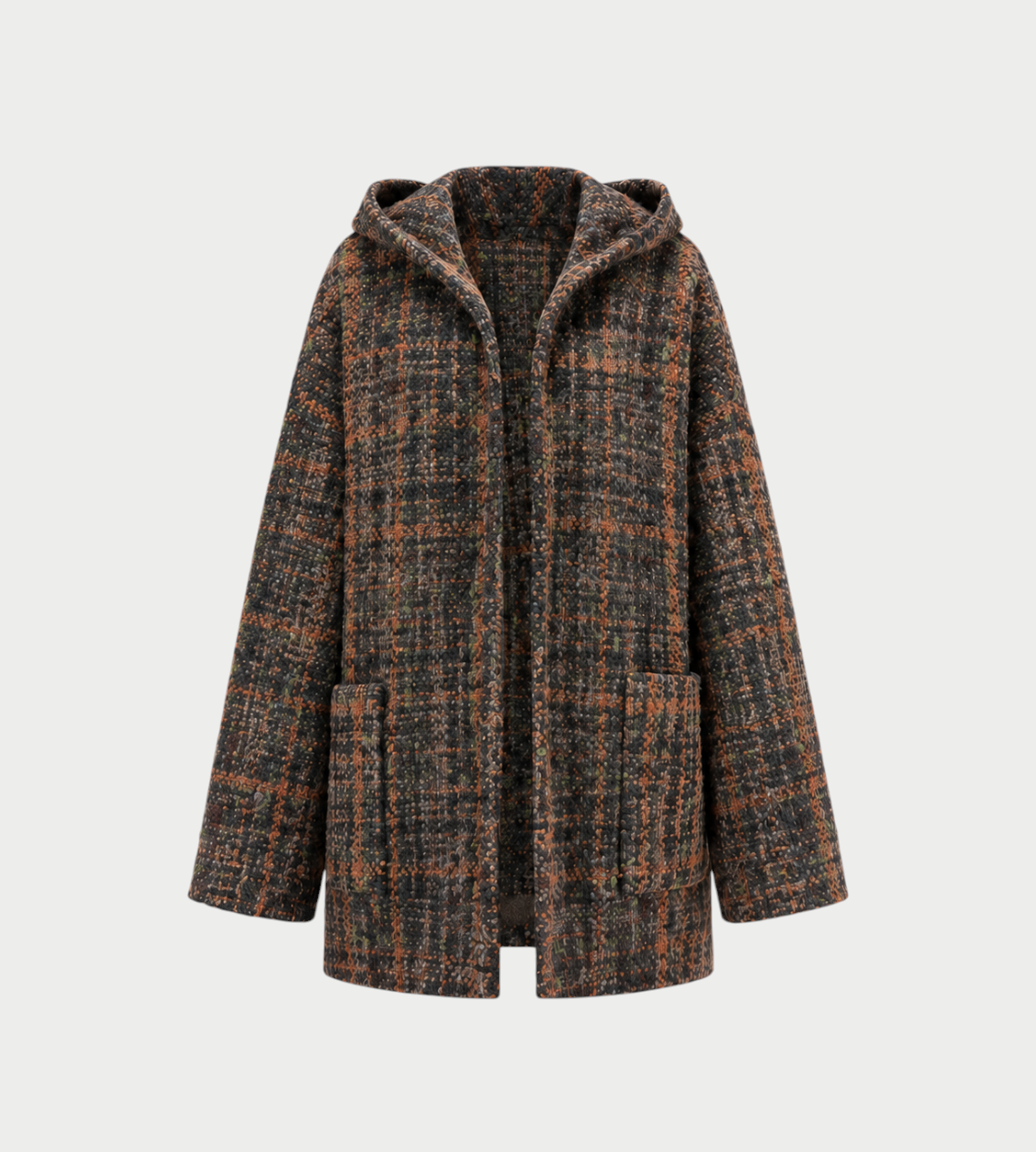 INTO THE EASTFloral Tweed Hooded Coat Brown
 BaracutaMens Wind Jacket G9 Melton Unpadded - Deep Blue
 MackageWomens Lite Jacket Fee-LWD - Cream
 UJOHSide Belt Turtle Neck Sweater Beige
 MackageWomens Lite Jacket Fee-LWD - Black
 Chanel26K CC Logo Cashmere & Wool Beanie
 RUOHANBouvet Dress Bark
 C.P. CompanyReversible 013A Merino Mixed Cardigan Sweater - Black
 HernoChalet Beanie - Grey
 HernoMens Lite Jacket Merino Quilt - Navy
 UndercoverHooded Stole Beige