THE JOURNAL · No. LI · August 30, 2026 · Revised September 20, 2026
How within works: what you find, you can have today
No customs, no eleven day wait, no dead listing. What you find on within is standing in a shop near you, and you can collect it the same day.
The coat you just saved is hanging on a rail about fifteen minutes from you, and you can be wearing it tonight.
That sentence is the whole product. What follows is what it costs you, what it saves you, and the two or three things worth checking before you spend.
You stop waiting eleven days
The old way runs like this. You find the coat on a site in Milan, pay a duty nobody warned you about, wait eleven days, and open a box holding the wrong size. Then you pay to send it back.
On within the coat is already in your city. You pay, the shop takes it off the floor and sets it aside, and you collect it the same day for nothing. Where a shop delivers, a local courier brings it at cost, which is a few dollars rather than the price of an international parcel. No border, no customs line, no broker's fee hiding in the total. If the size is wrong you are a short walk from the person who can fix it.
Everything you are looking at exists
The size showing as available is a garment on a rail, not a number in a database somebody forgot to update. within reads each boutique's till, so when a piece sells over the counter at four in the afternoon it leaves the feed the same hour.
The size showing as available is a garment on a rail, not a number in a database.
Nothing here can be back ordered, drop shipped, or quietly sourced from a showroom in a fortnight, because within can only show what a shop already owns and has already paid for. A search that comes back empty is telling you the truth.
You are buying from a shop, not from a screen
Every piece carries the name of the room it is standing in. You can call that room, walk into it, and ask the person who chose the piece why they chose it. That is a different kind of confidence than a review score.
Your money goes straight into the shop's own account through the shop's own checkout. Nothing of yours ever sits with within on the way, so there is no marketplace balance to be stuck in, wait out, or lose. You pay the boutique's price, not a marked up one. within is paid a commission by the shop on what it sells, and by you never.
Nobody paid to be in your feed
No sponsored rows, no promoted shops, no paid placement in the journal, from a boutique on within or from anyone else. A shop is in front of you because it cleared the bar, and that is the only reason a feed is worth opening.

What to check before you spend
Read the return line before you pay rather than after. It is the term that varies most from shop to shop, and final sale is ordinary in a small room where the piece was one of two. within shows you the shop's policy in advance instead of flattening every shop into one comforting house promise that none of them actually honours.
On second hand pieces the condition sits in the product title, so read the title to the end. And if something goes wrong, the shop that sold it is the shop that fixes it, under the terms you already saw.
Common questions
How fast can I actually get it?
Pickup is free and usually the same day, because the piece is already in the shop. Where a boutique offers delivery, a local courier brings it at cost.
Can I return it?
The boutique's own policy governs, and within shows it before you pay. Some rooms take returns within a fortnight as exchange or credit, some are final sale. Read the line first.
Who am I buying from?
The boutique. It is named on every piece, it takes the payment into its own account through its own checkout, and it keeps the relationship with you afterwards.
Does within own any of this?
No. Every piece was bought and paid for by the shop it is standing in, which is why the shelf you are looking at is somebody's actual taste rather than a warehouse's leftovers. It is also why within cannot be caught holding a season of unsold stock the way the sites that failed were.
Do I pay more than I would in the shop?
No. The price on within is the boutique's own price.
within is open. The quizzes will read your taste.
THE SHELF · CHANGES DAILY
From the rooms, today.
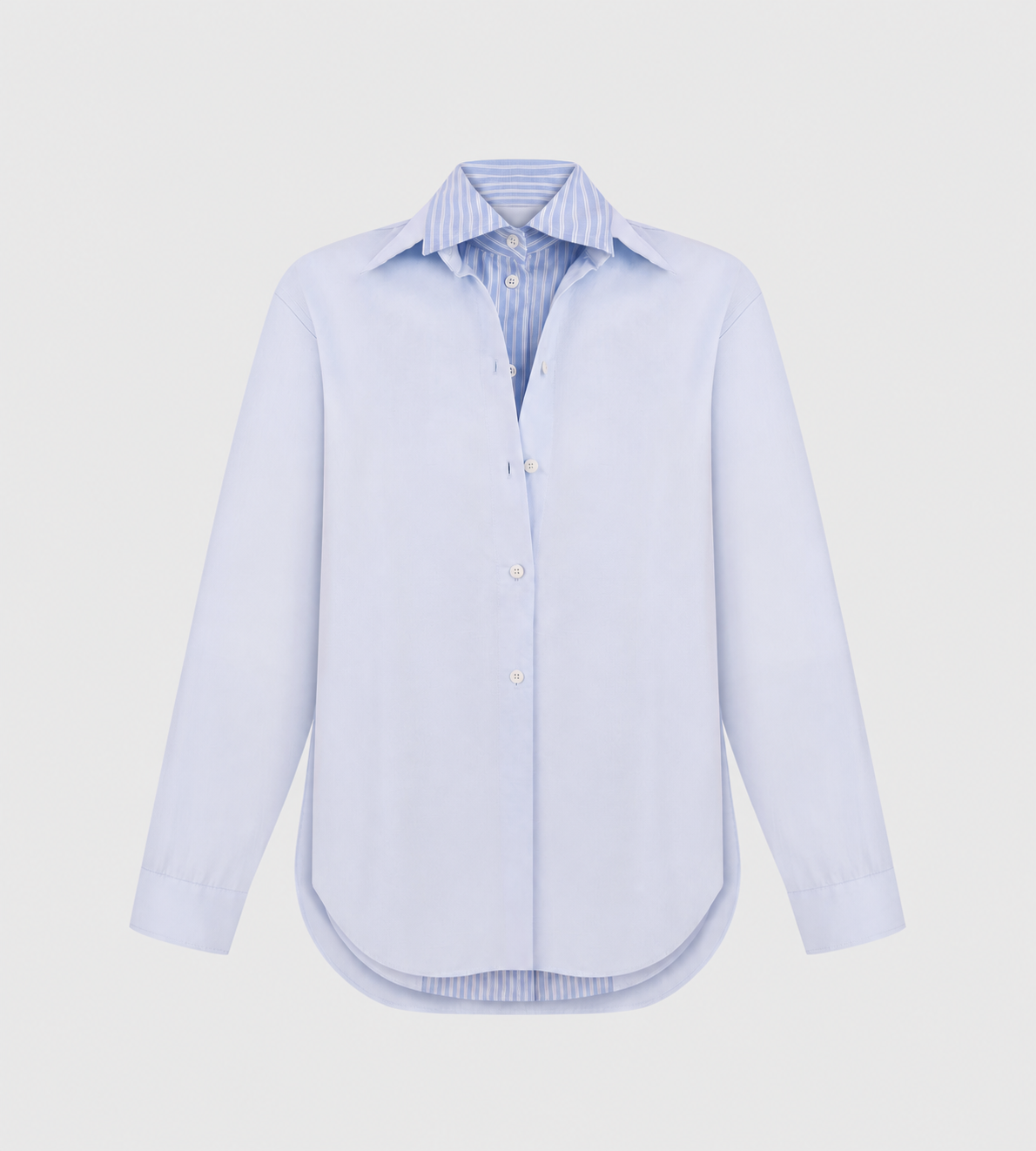
Four of 7,941 pieces standing in within's Toronto boutiques, 14 October 2026. The four change at midnight.



THE FEED IS OPEN
Read the rest from the shelves.
within shows what Toronto boutiques have in stock, photographed piece by piece.
Open the feedRead more of the journal, or see what within is.