THE JOURNAL · No. LXIX · August 30, 2026 · Revised October 2, 2026
Where to buy designer clothes online
Who owns Farfetch, Net-a-Porter and SSENSE, checked August 2026, and which sites own their stock. What to check before buying.
Buy designer clothes online from a site that owns the stock it sells, or from a boutique's own web shop. As of August 2026 that means Mytheresa, Net-a-Porter and Mr Porter, FWRD and SSENSE. Farfetch is a marketplace, so the seller that ships the box handles your return.
IN STOCK NOW
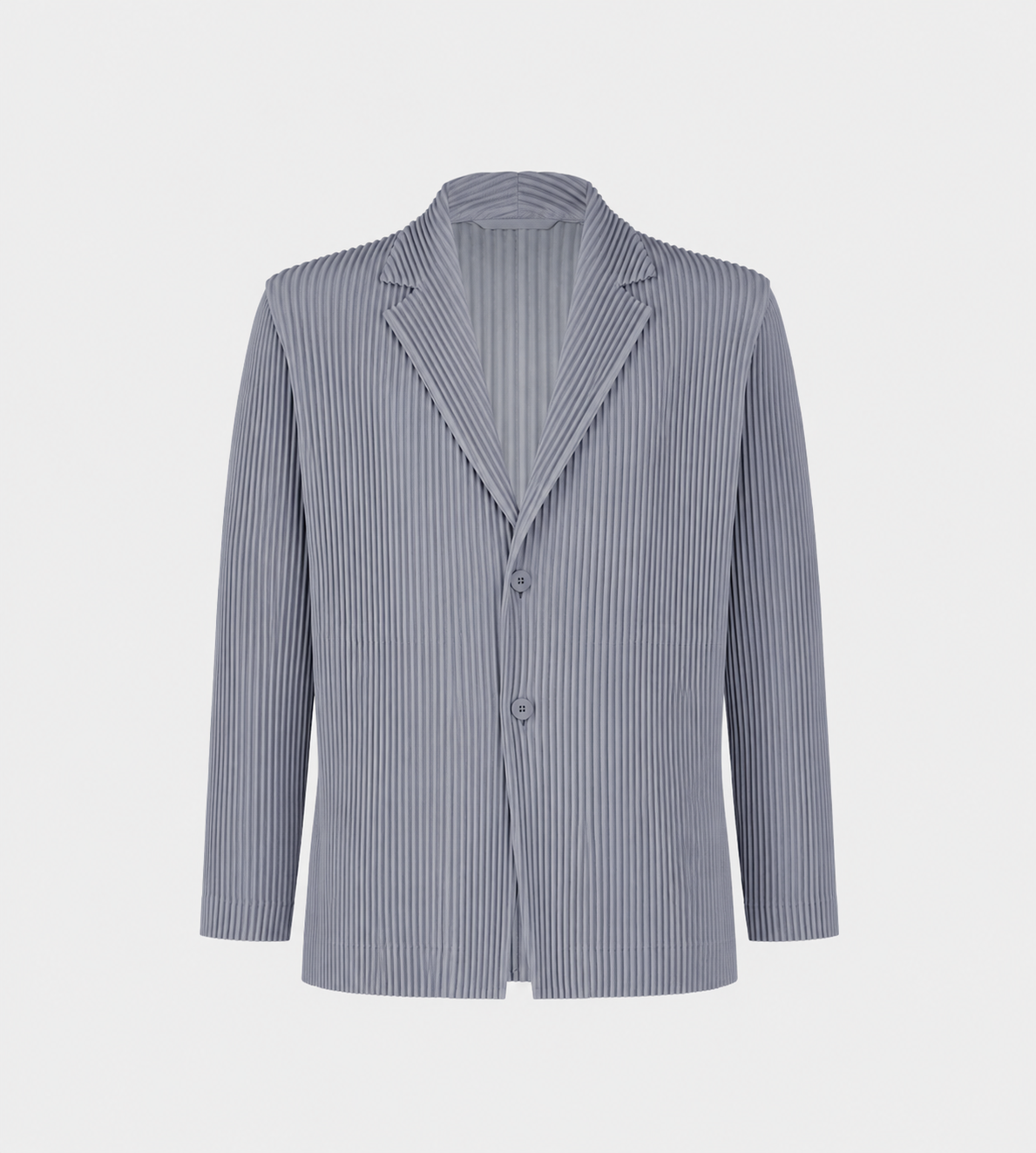
Rick Owens, MM6 Maison Margiela and Homme Plisse Issey Miyake, on the shelf.


Farfetch has belonged to Coupang since the acquisition of its assets completed on 31 January 2024. Net-a-Porter and Mr Porter belong to LuxExperience, a Dutch registered group run from outside Munich, named MYT Netherlands Parent until 1 May 2025 and trading in New York as LUXE. SSENSE went into creditor protection in Montreal in August 2025 and came back out in founder hands.
All of it is checkable in filings, and all of it was checked in August 2026. None of it tells you where to buy a coat. What does is a shorter set of questions: who owns the site, who holds your money while the parcel is in the air, whose building the coat is standing in, and who has to agree before a refund reaches your card.
On within, every piece is on a shelf in a boutique, and the boutique named at checkout sells it and sets the return terms. Start with Rick Owens, MM6 Maison Margiela or Homme Plissé Issey Miyake, or open the feed.
Who owns whom, checked in August 2026
LuxExperience runs Mytheresa, Net-a-Porter and Mr Porter as its luxury segment and Yoox as its off price one. It sold the assets behind The Outnet to The O Group LLC, since renamed The Outnet Operations US, under an agreement announced on 31 October 2025 and closed on 30 April 2026.
Farfetch sits inside Coupang, which named it among its brands in the annual report it filed on 26 February 2026. Saks Fifth Avenue, Neiman Marcus and Bergdorf Goodman are one company, which filed for Chapter 11 in the Southern District of Texas on 13 January 2026 as Saks Global and left it on 26 June 2026 as Exemplar Luxury Group. SSENSE, founded in Montreal in 2003 by the Atallah brothers, is theirs again: on 4 February 2026 a Quebec judge dismissed the lenders' push for an asset sale and affirmed the brothers' 78 million dollar bid. Two days later it cut 169 jobs at its Saint-Laurent warehouse and 46 at its Chabanel Street office. The dated version of that story is here; the whole ledger, in order, is here.
Three postures, and how to tell them apart
Every site selling designer clothing stands in one of three positions, and the position decides what happens after you click.
The first is the retailer that bought the goods. Revolve, which runs the luxury site FWRD, told the SEC in the annual report it filed on 25 February 2026 that it purchases inventory in anticipation of sales, ships to more than 150 countries and territories, and has offered free returns to American customers since it opened in 2003. LuxExperience ships from its own floors: Leipzig for Mytheresa, and Mahwah, London and Landriano for Net-a-Porter and Mr Porter. One counterparty, and one company to argue with.
The second is the site that sells goods it never owned. Farfetch's last annual report as a listed company, filed on 8 March 2023, separated revenue from inventory it had purchased itself from everything else, and warned investors that luxury sellers set their own prices on its marketplaces. Coupang's 2026 filing describes the same shape. LuxExperience runs its own version under the name Curated Platform Model, plugging Mytheresa into brand partners' direct retail operations and picking from a much larger collection than it buys, which the group tells investors improves capital efficiency.
The third is consignment, where the stock belongs to a person. The RealReal takes items into its authentication centres, where they are authenticated, photographed, priced and fulfilled on behalf of the consignor, and its take rate on consigned goods was 37.7 percent in 2025, down from 38.4. When a fire hit its Secaucus authentication centre in May 2024, the damage ran to consigned and owned inventories: other people's clothes, in a building in New Jersey.
The tells are on the screen if you look. A product page that names a seller, a shipping origin, or a different delivery date for each item in the same bag, is a marketplace. Two parcels with two tracking numbers is two sellers. A return label addressed to a country the retailer does not operate in belongs to whoever shipped it, and so does the refund.
The department store web shops
Exemplar's three sites are where a department store buy still behaves like one: broad seasonal orders, and a better chance a size run is in stock. They also came through a bankruptcy in which brands stopped shipping, so the assortment is still healing.
A wide catalogue is usually somebody else's stock, and somebody else's stock is somebody else's refund.

The rest of the field, by what it is good at
Mytheresa, Net-a-Porter and Mr Porter buy and hold their own stock from the big designers. LuxExperience tells investors that goods can in most cases be returned or exchanged within fourteen to thirty days of receipt, which is a range, not a policy, so read the one on your own order.
SSENSE is the shortest route from a Canadian address to avant garde ready to wear, because the stock is already on this side of the border. Yoox is off price and works like off price: broken sizes, older seasons, no restock. Farfetch holds the widest catalogue for exactly the reason its returns are the most complicated. And boutiques sell from their own sites: Antonia, Modes and Antonioli in Milan, LuisaViaRoma out of Florence, The Webster in Los Angeles, H. Lorenzo in West Hollywood, United Arrows in Tokyo. Small buys, one counterparty, and the piece is standing in a shop rather than a fulfilment centre.
Before you press buy
Read the confirmation email, not the homepage. It names the seller of record, and that name, not the logo at the top of the site, is who owes you money.
Get the return window in writing and check whether it runs from dispatch or delivery. The difference is a week. Ask whether duty is collected at checkout or at the door, which decides whether the price you saw is the price you pay; the arithmetic is in is luxury cheaper abroad. Pay on a card, not a balance held on the site: a balance is money you have lent a business whose owner may change while you decide on a size. If an order splits into two parcels, plan on two returns. And photograph the tag before you cut anything.
Common questions
Where should I buy designer clothes online now?
Buy from the site that owns the stock it is selling you, because it is the only party that can refund you without asking anyone else first. As of August 2026 that means Mytheresa, Net-a-Porter and Mr Porter under LuxExperience, FWRD under Revolve, SSENSE out of Montreal, and any boutique selling from its own web shop. Use Farfetch when nobody else has the piece, and read the seller's name before you pay.
Is Farfetch still good?
Farfetch still trades and has belonged to Coupang since 31 January 2024, when the acquisition of its assets completed. It is a marketplace, described in Coupang's annual report filed on 26 February 2026 as connecting luxury sellers with customers, so it holds the widest selection and your return goes back to whichever seller shipped the box. That is a fair trade on a hard to find piece and a poor one on a size gamble.
Our note on whether Farfetch is legit reads its Canadian duty and return terms.
What are the alternatives to SSENSE?
SSENSE is trading and founder owned again, after a Quebec court affirmed the buyback on 4 February 2026, so the alternatives question is about assortment rather than survival. For the same designers with a different buy, look at Farfetch, Mytheresa and the boutiques' own sites, which buy the same collections in smaller quantities. For anything discounted, Yoox and The Outnet are the off price end, and both now answer to owners they did not have in 2024.
Sites like SSENSE sorts the alternatives by who pays the duty on a Canadian order.
within is open. The quizzes will read your taste.
THE SHELF · CHANGES DAILY
From the rooms, today.
Four of 7,953 pieces standing in within's Toronto boutiques, 15 October 2026. The four change at midnight.


THE FEED IS OPEN
Read the rest from the shelves.
within shows what Toronto boutiques have in stock, photographed piece by piece.
Open the feedRead more of the journal, or see what within is.